
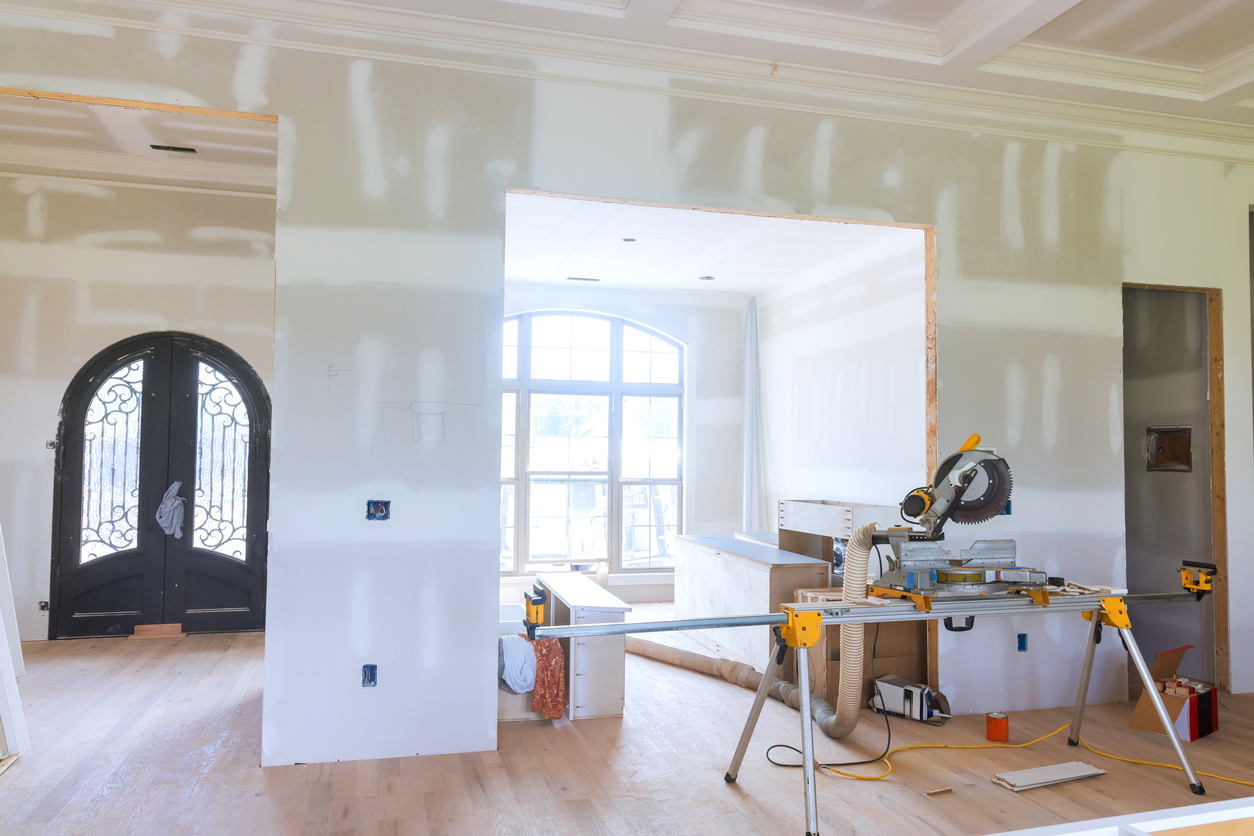
If you live in the Maryland, DC, or Northern Virginia (DMV) area, yes, you’ll need a home remodeling permit before you can do any large home renovation. Ensure you comply with the code before obtaining authorization and completing the work.
Why Remodeling Permits Matter
When you obtain an authorization for home renovation, you are meeting legal obligations. You’re also ensuring additional protections for your home, making this the best course of action.
Safety and Code Compliance
The local government where your home is located will have safety and code-compliance regulations that home remodels must meet when contracted out. These regulations maintain safety in the home, ensuring the work has been completed correctly.
Protecting Home Value
When you have a permit on file for your property improvement, your home’s value can be accurately assessed. This official recording of the structural modification helps to improve the overall value of your home.
Avoiding Problems During Resale
If you decide to put your home up for sale later on, different steps and inspections will take place. If you have an undocumented remodel in your home, it could lead to delays and require you to pay out of pocket for additional inspections.
Remodeling Projects That Commonly Require Permits
Before you tackle getting clearance, it’s important to know what projects actually require permits to get started.
Structural Changes
If you are adding a room, a garage, or any extra square footage, you will need to obtain a permit. This applies especially when the changes affect the overall structure of your home.
Electrical Work
Any modification work that requires an electrician to run lines or make alterations to the breaker box will require a permit. This is usually in conjunction with structural changes occurring to the property.
Plumbing Work
If you are planning a remodel that will add plumbing to your home or alter the current plumbing system, a permit is required.
HVAC Changes
Any changes that add centralized heating and air conditioning or change the current system will also require clearance to proceed.
Additions and Basement Conversions
Some of the biggest projects in the DMV area are home additions and basement conversions. These projects usually fall under all the aforementioned groups and will absolutely need a permit to complete.
Projects That May Not Require a Permit
You do have some remodeling projects that do not require a permit and can be done on your own. As long as these projects do not impact any of the permit-required areas of your home, you are good to move forward.
Painting and Cosmetic Updates
If you are looking to add new paint to any of your rooms, wallpaper, or any other cosmetic update, feel free to tackle that project at your own leisure. Paint, backdrops, and wallpaper do not require clearance.
Replacing Certain Fixtures
If you are just looking to replace some of your existing fixtures, such as lamps and ceiling fans, you will not need authorization. You only need a permit if you are adding something new that wasn’t there previously.
Flooring and Finish
Upgrading your flooring can be a difficult task. However, it’s not anything that you need a permit for, as long as you aren’t changing the structure. A project like having a professional remove carpet and add hardwood doesn’t require a clearance.
How Permit Requirements Differ Across the DMV
While you are required to have a home remodeling permit in the DMV area, the place where you get them can vary depending on where you live.
Maryland Counties and Municipalities
If you live in Maryland, permits are issued at the county level, so you will need to apply through your county’s permit office.
Washington, DC
If you are in the Washington, DC area, you will need to file for a permit with the Department of Buildings using the DOB Permit Wizard.
Northern Virginia
Virginia divides responsibility for permits between the city and county based on your home’s location. If you are within the city limits, you will go to the city’s office to submit your application. If you reside in the county, you’ll need to visit the county government office to apply.
Who is Responsible for Pulling the Permit?
Before you get an authorization, make sure you know who is legally authorized to pull it.
Homeowner vs. Contractor Responsibilities
As a homeowner, you are responsible for obtaining permits if you plan to do the work yourself. If you hire a contractor for these projects, they are legally responsible for pulling the permits and ensuring their name is listed as the contractor on site.
Why Homeowners Should Be Cautious About Pulling Contractor Permits Themselves
As a homeowner, you should be cautious when pulling authorizations, as contractors often tie these to their insurance and license. If the contractor isn’t comfortable pulling the permit, then you should make sure that’s who you want working on your home, and see why they are hesitant to pull it themselves.
How Authorization Can Affect the Remodeling Timeline
Once a permit is on file, the timeline for a structure modification may change because the approving office must take several steps.
Plan Review
Once your contractor applies for the permit, they will need to submit plans and supporting documentation for review. They cannot begin work until these plans are approved, and depending on the backlog of other projects, that could cause a small delay.
Inspections
Depending on the code requirements, your contractor will have inspections by the county, city, or DOB inspectors, depending on where your home is located. They will need to approve the inspections or delay their passing.
Corrections and Reinspection
If your contractor had an inspection on the renovation and was given corrections, they will need time to fix those corrections and have the property reinspected. This could also cause a small delay in the remodel time frame.
What Happens if Remodeling Work is Done Without a Permit?
If you attempt to do work without a permit, some consequences will eventually catch up with you.
Fines or Stop-Work Orders
You could face government fines or stop-work orders if inspectors find work being done on the property without a permit. You may have to go to court before you can move forward.
Problems with Future Inspections or Sales
If your property is known to have undergone illegal renovations, you could be denied future inspections or permits for future work. This could also delay the sale of your home, since these inspections must be completed before you can list it.
Potential Cost of Correcting Unpermitted Work
If there is unpermitted work on the home and it was not done correctly, you could find yourself having to make corrections. This could be costly, since you weren’t expecting this expense.
Questions to Ask Your Contractor About Permits
- Who is responsible for obtaining it?
- Are permit fees expected to be included in the estimate?
- Which inspections will be required? Are there fees associated with inspections?
- How can I expect any delays to be handled?
Planning a Code-Compliant Removal in the DMV
It is important to work with a contractor who understands code compliance and is committed to ensuring your home meets all legal requirements in your area. If you’re looking for a contractor in the DMV area, look no further than J&E Modern Construction.
We are here to answer any questions you may have or schedule a time to meet about your upcoming project. Contact us today for more information.